
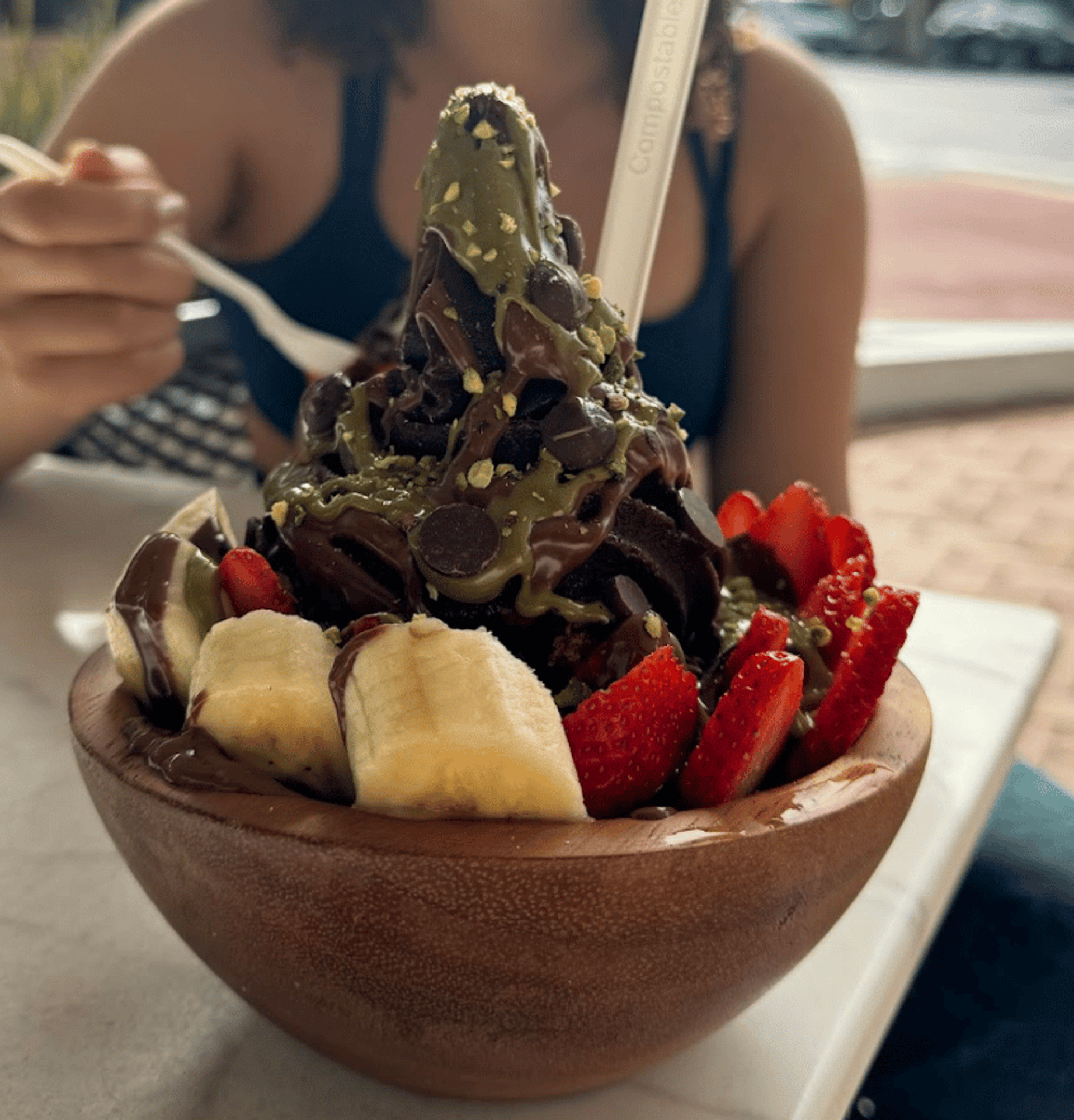
Acai Bowl Nutrition Guide 2026: Calories, Sugar & Protein
Learn what’s really in an acai bowl, calories, sugar, toppings, and healthier swaps. Use this 2026 guide to build a better bowl today.
6/4/20267 min read
Acai Bowl Nutrition: What You’re Really Eating (2026 Guide)
Acai bowls can look like the definition of “healthy”, deep purple fruit, fresh toppings, and that “superfood” halo. But here’s the catch: many popular bowls quietly land in dessert territory once you count added sugars, portion sizes, and calorie-dense toppings. In fact, the average Australian adult already consumes about 60g of free sugars per day, more than double the WHO recommendation of ~25g (Australian Bureau of Statistics, 2023; World Health Organization, 2015). That makes “health-washed” foods a bigger deal in 2026 than ever.
In this guide to acai bowl nutrition, you’ll learn what’s typically inside a bowl, how to spot a healthy acai bowl, how to build one for your goals (energy, weight management, gut health, or protein), and what the latest 2026 trends mean for ingredient quality and transparency.
What an acai bowl actually is (and why nutrition varies so much)
An acai bowl is usually a blend of acai purée plus a liquid (juice, milk, or yoghurt), then topped with fruit, granola, nut butters, seeds, and sweeteners. That sounds balanced, until you realize the “bowl” format encourages stacking: multiple carb sources (banana + granola + honey) and multiple fat sources (nut butter + coconut + seeds).
Acai itself vs the bowl you buy
Acai (Euterpe oleracea) is a berry-like fruit from the Amazon. The base can be: (1) unsweetened acai purée, (2) sweetened acai blend (often with guaraná syrup), or (3) acai powder mixed into other fruits. Nutrition outcomes are dramatically different depending on which base is used.
In practice, many bowls are built on a sweetened base plus high-sugar toppings. That matters because high “added/free sugars” intake is linked with increased cardiometabolic risk, and public health guidance globally is pushing consumers toward lower added sugar patterns (World Health Organization, 2015; Australian Dietary Guidelines, updated guidance in ongoing public communications).
Portion size is the hidden lever
Even if ingredients are “clean,” portion size can turn a snack into a meal-sized calorie load. A bowl that’s 450–700g with granola and nut butter can easily exceed the energy of a standard café breakfast, especially if it’s paired with a latte or juice.
Acai bowl nutrition breakdown: macros, sugar, fibre, and calories
Let’s talk numbers. Most “classic” café bowls are carbohydrate-forward because the base is typically fruit-heavy and toppings add more carbs. Protein is often the limiting macro unless Greek yoghurt, high-protein milk, or protein powder is used. Fibre can be excellent— ifthe bowl includes berries, chia/flax, and moderate granola rather than sugary cereals.
Key nutrition variables to watch
Why it matters in 2026: consumers are increasingly using CGMs (continuous glucose monitors) and “metabolic health” apps to see how breakfast choices affect blood sugar. Even without a CGM, you can apply the same principle: higher protein + higher fibre + lower added sugar tends to improve satiety and energy stability.
Comparison table: typical bowls vs smarter builds
The exact nutrition depends on the recipe, but the table below reflects realistic ranges seen in café-style builds and improved “balanced” builds using common serving sizes.
Bowl type
“Dessert-style” (sweetened base + granola + honey + banana)
Classic café (acai + banana + granola + mixed fruit)
Healthy acai bowl(unsweetened base + berries + chia + measured granola)
High-protein build (unsweetened base + Greek yoghurt/protein + seeds)
Calories (kcal)
650–950
450–750
350–550
450–650
Protein (g)
8–18
6–15
12–25
25–40
Added/free sugars (g)
25–55
15–35
5–15
5–15
Benchmark tip:If you want your bowl to function like a balanced breakfast, aim for 20–30g protein, 8g+ fibre, and keep added/free sugars closer to ≤10–15gunless you’re fueling a long workout.
Acai antioxidants and the real “acai bowl benefit” (what’s legit vs hype)
Acai is famous for antioxidants, specifically anthocyanins and other polyphenols. Polyphenols are associated with cardiometabolic health markers in broader dietary patterns. The nuance: antioxidants don’t cancel out excess added sugar or a calorie surplus. Think of acai as a nutrient-dense ingredient that still needs a smart overall build.
What the evidence supports
What’s often overstated
Practical takeaway:The most reliable acai bowl benefit is that it can be a high-fibre, micronutrient-rich meal, if you design it like a meal, not a dessert.
Are acai bowls healthy? A decision checklist for real life
The question “ are acai bowls healthy?” depends on your goals and what’s in the bowl. In 2026, the smartest approach is to treat acai bowls like any menu item: evaluate the ingredient list, portion size, and macro balance.
Use this 30-second checklist when ordering
Who should be extra careful (edge cases)
Relevant benchmark:Ultra-processed foods are increasingly linked with poorer health outcomes at the population level, and public conversation has accelerated after recent large reviews and guidance discussions. One umbrella review found higher ultra-processed food intake is associated with increased risk of multiple adverse health outcomes (BMJ, 2023). Not all acai bowls are ultra-processed, but many toppings (candied granola, syrups) push them in that direction.
How to build a healthy acai bowl (templates you can copy)
If you want a healthy acai bowl that supports steady energy, satiety, and better overall acai bowl nutrition, use a simple structure: protein + fibre + colour + measured crunch.
Template 1: Balanced breakfast bowl (everyday)
Template 2: High-protein bowl (gym days)
Template 3: Lower sugar bowl (steady energy)
Tool you can use immediately: If you’re ordering in-store, ask for the nutrition panel (many venues now have it available digitally). In Australia, packaged products must display nutrition information panels, and more QSR/café brands are voluntarily adding menu nutrition because consumers demand it, especially with macro tracking culture now mainstream.
Common mistakes to avoid (and pro tips that actually work)
Most acai bowls go off the rails in predictable ways. Fixing them doesn’t require removing “fun” toppings, it requires portion control and smarter swaps.
Common mistakes
Pro tips (Freshbite-style best practice)
Performance benchmark:For most people, increasing protein at breakfast is linked with improved satiety and better appetite control later in the day. While individual responses vary, a practical target is 20–30g protein at breakfast for a meal-sized bowl—especially if you’re not eating again for 3–5 hours.
What’s changing in 2026: transparency, functional add-ons, and “better-for-you” bowls
In May 2026, acai bowls sit at the intersection of three big shifts: ingredient transparency, functional nutrition, and consumer skepticism of “superfood” marketing. Customers now expect clearer sourcing, lower added sugar options, and macro-friendly builds.
Trend 1: Sugar-aware menus (and consumer demand for clarity)
Globally, consumers are moderating sugar. For example, the FMCG Gurus “Sugar Reduction” consumer research consistently shows sugar reduction remains a top purchase driver in better-for-you categories (FMCG Gurus, 2025). In cafés, this shows up as requests like “no honey,” “no juice,” and “half granola.”
Trend 2: Functional add-ons (some helpful, some hype)
Trend 3: Local search intent (yes, including “acai bowl Brisbane”)
“Near me” food searches remain a dominant driver of discovery. Google has reported that searches including “near me” have been consistently high, and local SEO is still one of the strongest levers for cafés (Google, ongoing consumer insights; local search trend reporting widely cited). For acai bowl Brisbane searches specifically, the competitive edge is clear: publish nutrition-forward menu language (e.g., “unsweetened base available,” “protein add-on,” “no added syrup”) and make it easy to customize.
Operational best practice for 2026:If you’re a venue, offer a default “balanced bowl” option with stated protein and added sugar ranges. If you’re a customer, order from the menu like you would from a macro-friendly meal prep brand: pick your base, protein, and crunch.
Frequently asked questions
1.What is acai bowl nutrition, in simple terms?
Acai bowl nutrition depends on the base (sweetened vs unsweetened) and toppings. Most bowls are carb-forward; the healthiest versions add protein (Greek yoghurt/protein) and fibre (chia/flax) while limiting added sugar. Think “smoothie + toppings,” not just “fruit.”
2.Are acai bowls healthy for weight loss?
They can be, but only if portion size and toppings are controlled. Choose an unsweetened base, halve the granola, skip honey, and add protein to improve fullness. A bowl that’s 800–900 calories can slow fat loss even if the ingredients are “clean.”
3.How much sugar is in a typical acai bowl?
Many café bowls land around 15–35g of free/added sugars depending on sweeteners, juice, and granola portions. Dessert-style builds can go higher if honey and sweetened acai blends are used. Asking for an unsweetened base and skipping honey is the fastest way to reduce sugar.
4.What is the main acai bowl benefit?
The main benefit is a convenient way to increase fruit, fibre, and polyphenols, especially if you include berries and seeds. Acai antioxidants can support an overall nutrient-dense pattern, but they don’t offset high added sugar. The “benefit” is best when the bowl is balanced like a meal.
5.Do acai antioxidants survive freezing?
Frozen fruit can retain nutrients well, and freezing is commonly used to preserve berries and acai for transport. Some antioxidant levels may vary by processing and storage time, but frozen acai remains a practical option. The bigger nutrition swing usually comes from added sweeteners and toppings, not freezing.
6.What should I look for to identify a healthy acai bowl?
Look for an unsweetened acai base, a protein component (Greek yoghurt or protein), and fibre-rich add-ins like chia/flax. Keep granola to a measured portion and avoid juice as the blending liquid. If it’s meant to replace breakfast, aim for 20–30g protein.
7.Can I eat an acai bowl every day?
Yes, if it fits your overall diet quality and calorie needs. Rotate toppings (berries, nuts, seeds) and keep added sugars low to avoid turning it into a daily dessert. If you’re relying on it as a meal, make protein a non-negotiable.
8.Is an acai bowl better than a smoothie?
Not automatically. Bowls often include extra toppings that raise calories and added sugars, while smoothies can be easier to keep controlled. A bowl can be better if it’s built with protein and fibre and toppings are measured.
9.What’s the best acai bowl order in Brisbane if I want lower sugar?
When ordering an acai bowl Brisbane locals love, ask for an unsweetened acai base, no honey, and “half granola.” Add Greek yoghurt or protein, and choose berries over extra banana. Most venues can customize if you ask directly.
10.Should I add protein powder to an acai bowl?
If the bowl is a meal (not a snack), protein powder can be a smart add-on to reach 20–30g protein. Choose a product with minimal added sugars and a flavour that won’t require extra sweeteners. If you already add Greek yoghurt, you may not need both.
Conclusion: what you’re really eating (and how to order smarter)
Acai bowls can be an excellent breakfast or post-workout meal, but only when you design them intentionally. In 2026, “healthy” is less about buzzwords and more about transparent ingredients, lower added sugar, and better macro balance.
Next time you order at Freshbite Health Bar, ask for an unsweetened baseand choose one of our “balanced build” topping combinations (protein + fibre + measured crunch). You’ll get the acai antioxidants you want, without accidentally turning breakfast into dessert.
SUBSCRIBE
Email: OkBerry47@gmail.com
PH: 0405238914
© 2025. All rights reserved.