Healthy Tuna Salad Guide 2026: Better-Than-Tuna
Build a creamy, high-protein healthy tuna salad without mayo overload. Learn tuna choices, low-sodium swaps, and safe storage, read now!
6/4/20265 min read
Better-Than-Tuna: The Ultimate Healthy Tuna Salad Guide (2026)
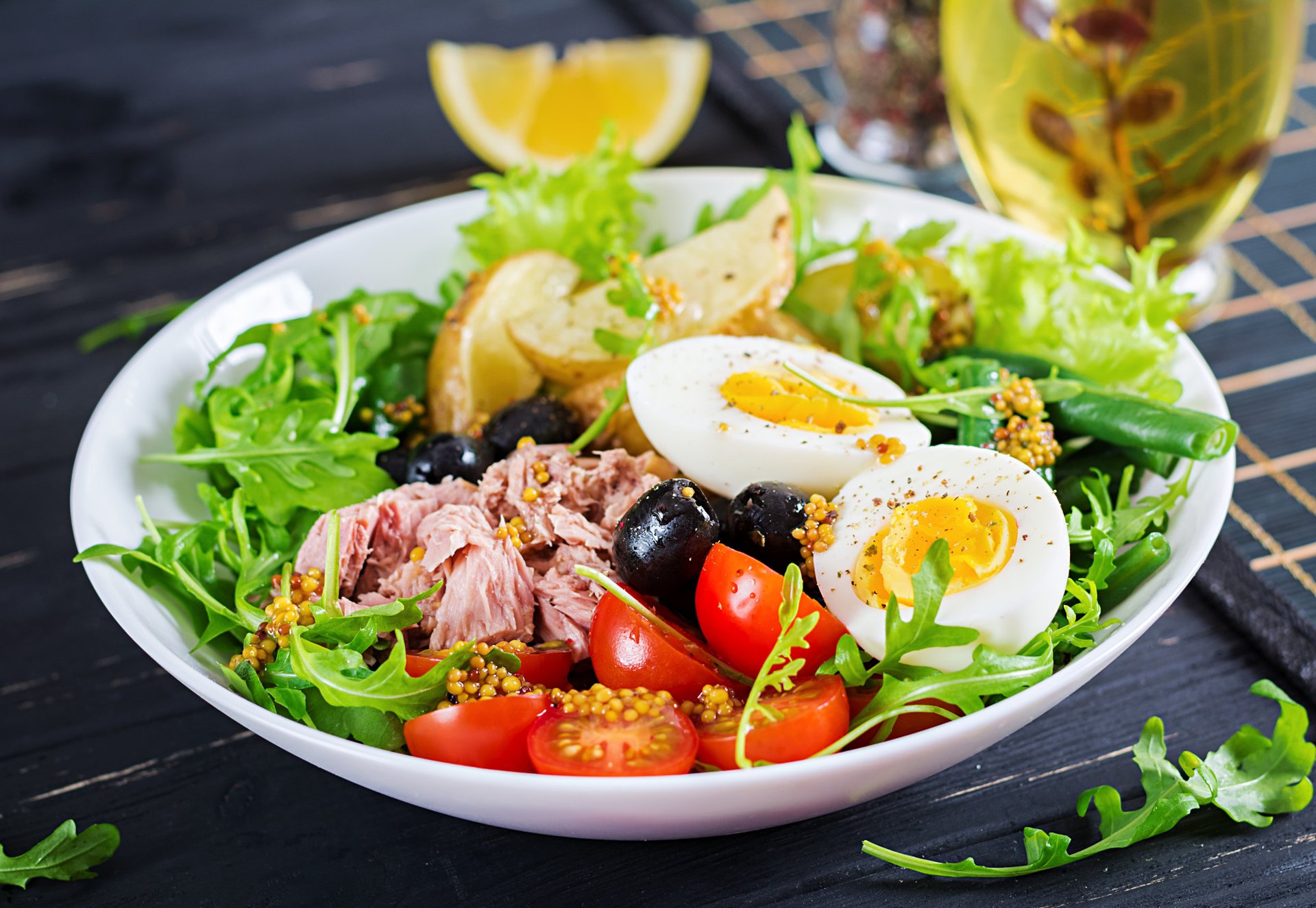
Australians are eating more protein-forward lunches than ever, and “desk lunch” culture is back in full swing in 2026. Yet many classic tuna mixes are still weighed down by mayo, excess sodium, and “mystery” add-ins. The good news: a healthy tuna salad can be creamy, satisfying, and genuinely nutrient-dense without sacrificing flavour.
In this guide, you’ll learn how to build a better-than-tuna bowl from the ground up: the smartest tuna choices, the best tuna salad ingredients for texture and satiety, and how to keep it low-fat while still tasting indulgent. We’ll also cover 2026 food trends (high-protein, lower ultra-processed foods), storage safety, and Brisbane-friendly ideas for workday lunches and warm-weather meal prep.
Why healthy tuna salad matters in 2026 (and what’s changed)
In 2026, consumers are looking for meals that hit three goals at once: high protein, real-food ingredients, and convenience. That’s exactly where a modern tuna salad shines, if you upgrade the formula beyond “tuna + mayo.”
Two big forces are shaping tuna salad recipes right now:
Seafood is also a nutrition “multi tool.” The American Heart Association continues to recommend eating fish (particularly fatty fish) at least two times per week as part of a heart-healthy eating pattern (American Heart Association, 2024; guidance still current in 2026).
Choose the right tuna: quality, mercury, and taste
Your tuna choice determines flavour, texture, and how “healthy” your tuna salad lands. Start by picking the format that matches your goals: lower sodium, higher omega-3s, or best budget.
Best tuna types for a healthy tuna salad
Mercury and frequency: practical guardrails
Mercury guidance is especially relevant if tuna salad becomes a weekday staple. The U.S. FDA/EPA advice is to choose a variety of lower-mercury fish and follow serving guidance, especially for people who are pregnant or may become pregnant (FDA/EPA, updated guidance ongoing through 2024 and referenced widely in 2026).
Practical rule: If you’re eating tuna multiple times per week, use mostly skip jack/light tuna, rotate other seafood, and keep albacore as an occasional upgrade rather than your default.
Build the ultimate healthy tuna salad: the formula (not just a tuna salad recipe)
The best tuna salad recipe is more like a repeatable system: protein + creaminess + crunch + acid + herbs/spices. This gives you restaurant-style flavour without relying on excess fat or salt.
The 5-part “better-than-tuna” framework
Core “healthy tuna salad” base recipe (low-fat, high-protein)
Makes: 2 hearty servings (or 3 lighter servings)
Method: Mix yogurt, mustard, and lemon first. Fold in tuna, then crunch items and herbs. Taste, then adjust acid and pepper before adding more salt.
Low-fat tuna salad that still tastes creamy (smart swaps that work)
Most “light” tuna salads fail because they remove mayo and don’t replace the mouthfeel. Instead, build creaminess with proteins and emulsifiers that add nutrition.
Best tuna salad ingredients for creamy texture (without heavy mayo)
Comparison table: creaminess options (taste + nutrition trade-offs)
Creamy base
Greek yogurt / skyr
Blended cottage cheese
Hummus
Avocado (partial)
Light mayo (small amount)
Best for
Low-fat tuna salad, classic tang
Extra creamy “mayo-like” texture
Mediterranean-style tuna salad recipe
“Better-than-tuna” richness
Deli nostalgia with fewer calories
Nutrition advantage
Higher protein, lower saturated fat vs mayo
High protein; mild flavour
Adds fibre and plant nutrients
Monounsaturated fats; great mouthfeel
Familiar taste; easy emulsification
Watch-outs
Can get watery if overmixed; add last-minute lemon
Some brands higher sodium—check label
Can dominate flavour; start with 1–2 tbsp
Oxidizes—needs lemon + airtight storage
Still more processed; easy to overshoot
Evidence-based nutrition: what to target (protein, sodium, and fibre)
A “healthy” tuna salad isn’t just lower calories, it’s balanced. The most common gaps are too much sodium and too little fibre. Tuna provides protein, but your mix-ins determine whether it keeps you full for hours.
Key benchmarks to aim for
What research says about fish and heart health
Fish remains a staple in heart-healthy patterns. Guidance consistently encourages seafood intake as part of dietary patterns associated with improved cardiovascular markers (American Heart Association, 2024). If your tuna salad replaces processed meats (like deli meats), you often reduce sodium and saturated fat— especially when you use yogurt-based dressings.
Tuna salad Brisbane: heat-friendly, workday-friendly serving ideas
For tuna salad Brisbane lunches, the challenge isn’t the recipe, it’s temperature, transport, and texture. Warm weather can turn a great salad into a soggy one if you store it poorly.
Brisbane-ready ways to serve healthy tuna salad
Food safety and storage (especially for Aussie summers)
Cold chain matters for seafood. As a practical rule, keep tuna salad chilled and avoid leaving it in the “danger zone” for extended periods. Use an insulated bag plus an ice brick for commutes, and store dressing separately if your mix includes watery vegetables.
2026 flavour trends: “better-than-tuna” variations you’ll actually repeat
In 2026, flavour trends are leaning toward globally-inspired condiments, fermented acids, and “high-protein comfort.” These variations keep your tuna salad exciting while still qualifying as a healthy tuna salad.
Three on-trend tuna salad recipes (modular add-ons)
Pro tip: If you’re reducing salt, increase perceived saltiness with acid (lemon/pickle brine), aromatics (onion/dill), and texture (crunch). This is a classic culinary strategy used in modern “better-for-you” menu development.
Common mistakes to avoid (and pro fixes)
Most tuna salad disappointments come down to texture management and seasoning strategy, not the tuna itself.
Mistake #1: watery tuna salad
Mistake #2: “diet” flavour (bland, flat, one-note)
Mistake #3: sodium creep
Mistake #4: meal prep that doesn’t hold
Frequently asked questions
1.What makes a healthy tuna salad healthier than the classic version?
A healthy tuna salad usually lowers saturated fat and excess calories by swapping some or all mayo for Greek yogurt, sky, or blended cottage cheese. It also adds fibre and micro nutrients via vegetables and legumes. The result is better satiety and a more balanced lunch.
2.How do I make a low-fat tuna salad that still tastes creamy?
Use a high-protein creamy base (Greek yogurt or blended cottage cheese) plus Dijon and lemon to mimic the “rich + tangy” profile of mayo. Add crunch (celery, cucumber) for texture contrast. Keep seasoning strong with herbs and black pepper so it doesn’t taste “diet.”
3.Can I meal prep healthy tuna salad for the week?
You can prep it for a few days, but quality depends on ingredients. Keep watery vegetables separate and add them right before eating. For best texture and freshness, make a 2–3 day batch rather than a full 5 days.
4.Is canned tuna still a good option in 2026?
Yes, canned tuna remains a convenient, affordable protein source. Choose reputable brands, check sodium on the label, and rotate fish types to support variety. If you eat tuna frequently, consider using mostly skip jack/light tuna.
5.How often can I eat tuna salad safely?
Frequency depends on the tuna species and your personal needs. Many people rotate tuna with other seafood to manage mercury exposure, using skip jack/light tuna more often and albacore less often. If you’re pregnant or planning pregnancy, follow FDA/EPA fish advice (FDA/EPA, ongoing guidance referenced in 2026).
6.What are the best tuna salad ingredients for fibre and fullness?
Add chickpeas, edamame, or lentils, plus crunchy vegetables like celery, capsicum, and carrots. Serve it on leafy greens or with whole-grain options rather than refined bread. Fibre helps slow digestion and keeps lunch satisfying longer.
7.How do I keep tuna salad from getting watery?
Drain tuna thoroughly and pat down watery vegetables. Mix your creamy base separately, then fold ingredients together gently. If using yogurt, add it closer to serving time and avoid over mixing.8.
8.What’s a good healthy tuna salad option for Brisbane work lunches?
Use an insulated lunch bag with an ice brick, and pack tuna salad in a sealed container. Keep greens and crunchy add-ins separate until you’re ready to eat. Wraps with a lettuce barrier or protein bowls tend to hold up best in warm weather.
9.Can I make this tuna salad recipe without dairy?
Yes, use hummus, mashed avocado, or a dairy-free yogurt alternative as the creamy base. Add extra lemon and mustard to keep flavour bright. Check labels for added oils/sugars in dairy-free products.
10.Should I use tuna in oil or tuna in spring water?
Spring water is usually best for a low-fat tuna salad because you control added fats. Tuna in oil can taste richer but may push calories up quickly. If you choose oil-packed tuna, reduce added creamy ingredients and balance with extra acid and herbs.
Conclusion: make your healthy tuna salad “better-than-tuna” every time
A truly great healthy tuna salad is built, not guessed. When you focus on texture, acid balance, and smart creaminess, you get a lunch that’s high-protein, satisfying, and easy to repeat all year (including Brisbane’s warmer months).
If you’re near Fresh bite Health Bar, ask for our “Better-Than-Tuna” style build, high-protein, crunchy, and bright, then use this guide to recreate your favourite version at home. Want a custom macro-friendly version (higher protein, dairy-free, or lower sodium)? Share your preferences and I’ll tailor the exact mix.
SUBSCRIBE
Email: OkBerry47@gmail.com
PH: 0405238914
© 2025. All rights reserved.